Featured Image

The Memory of Metal

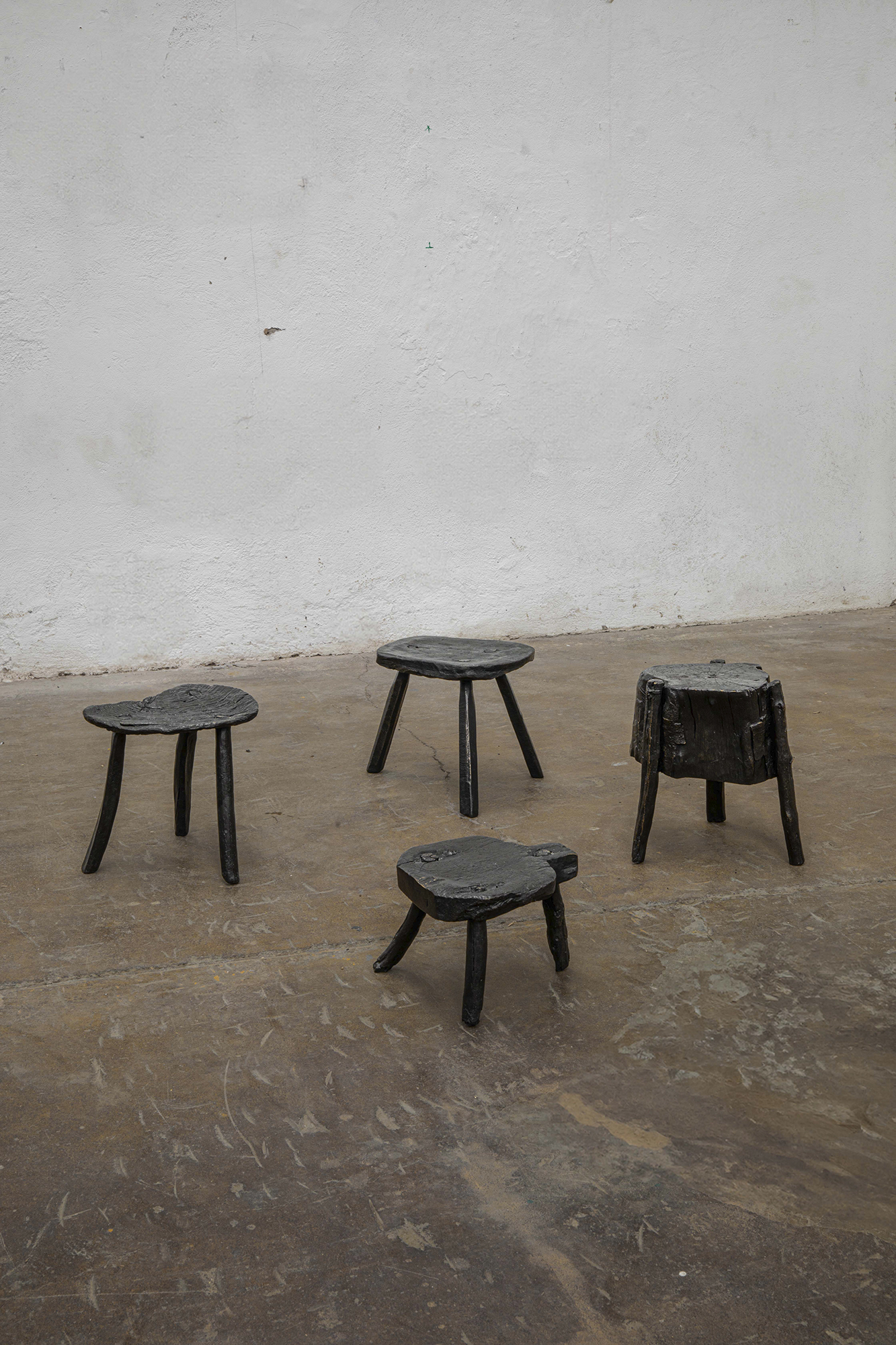
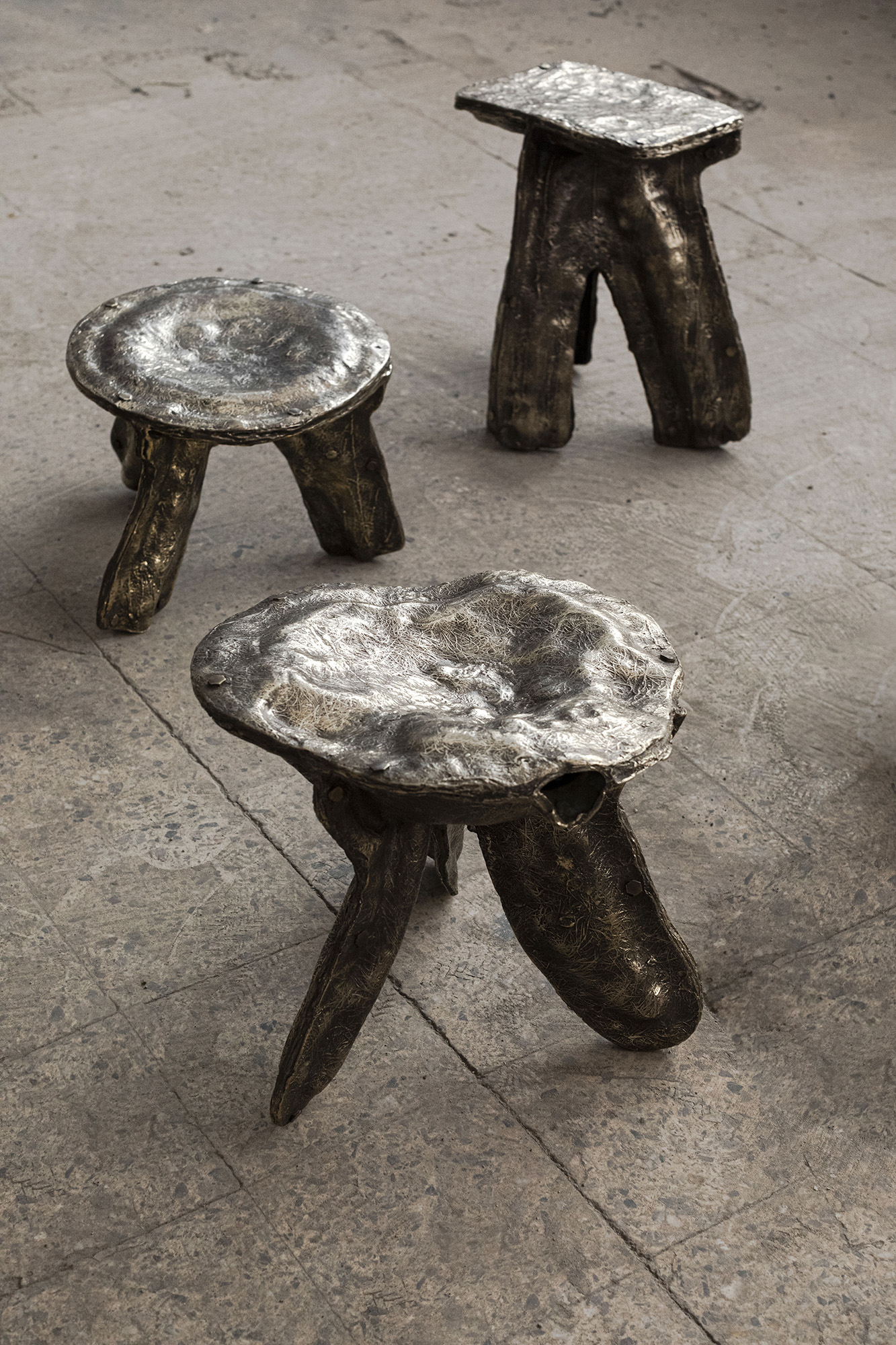
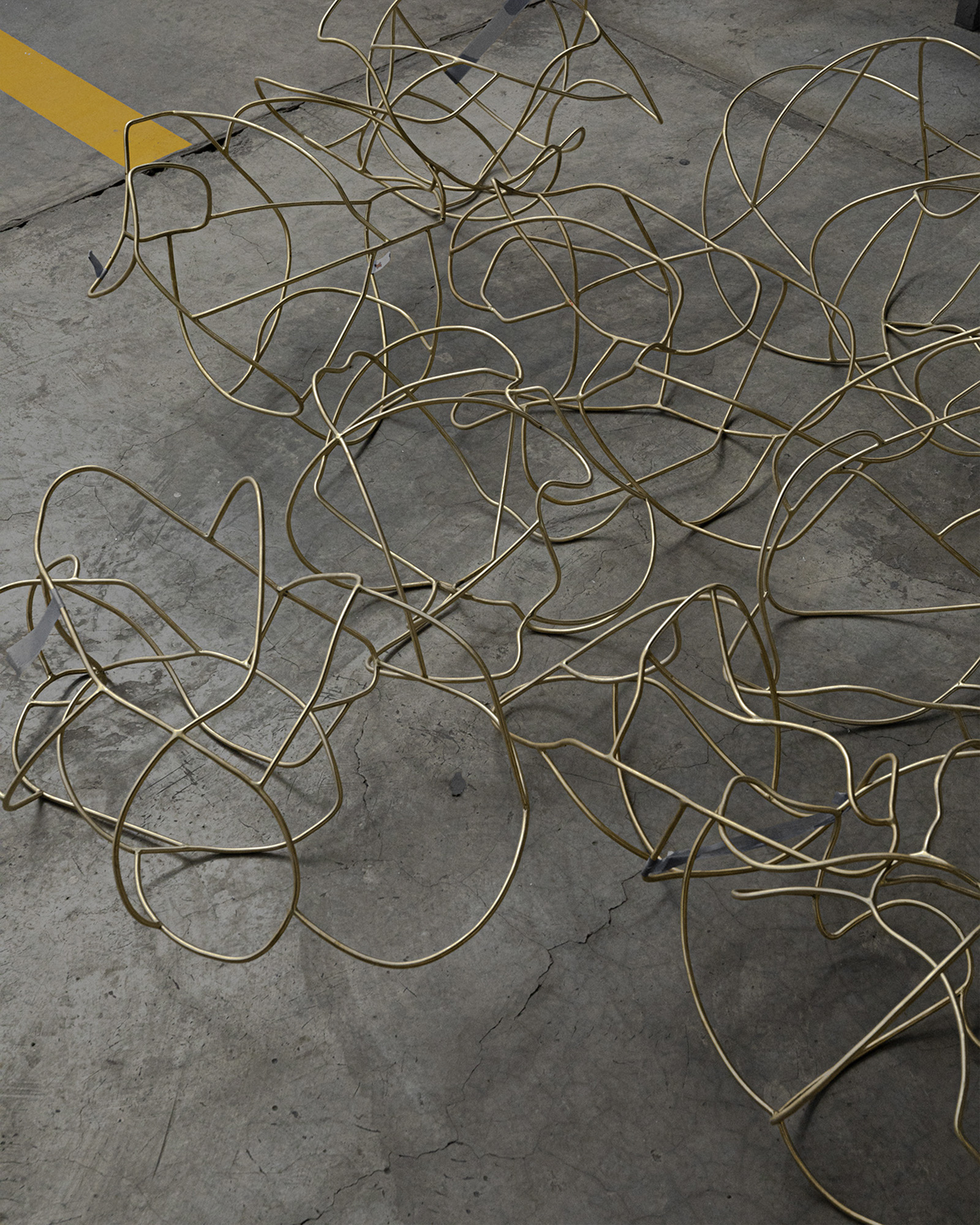
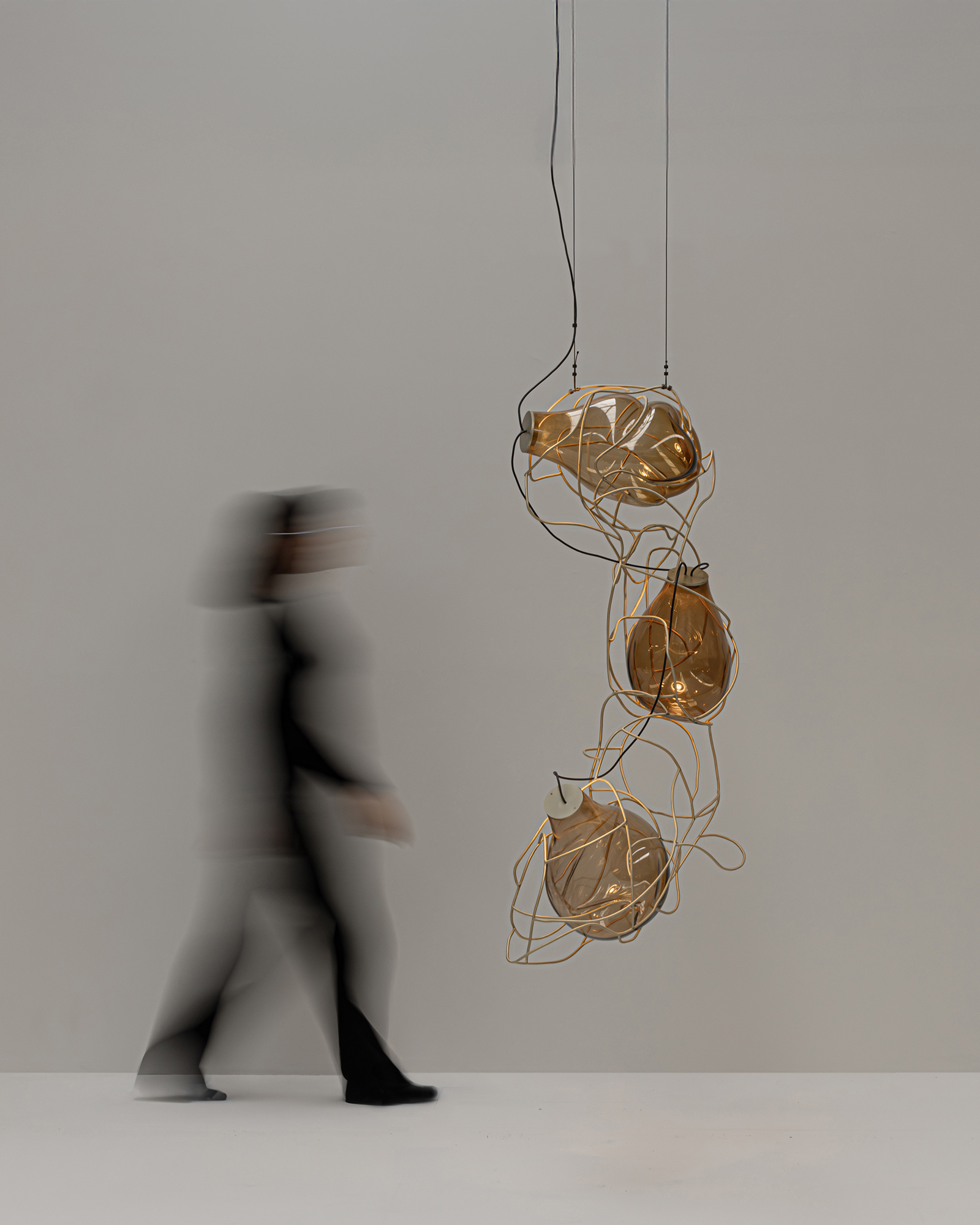
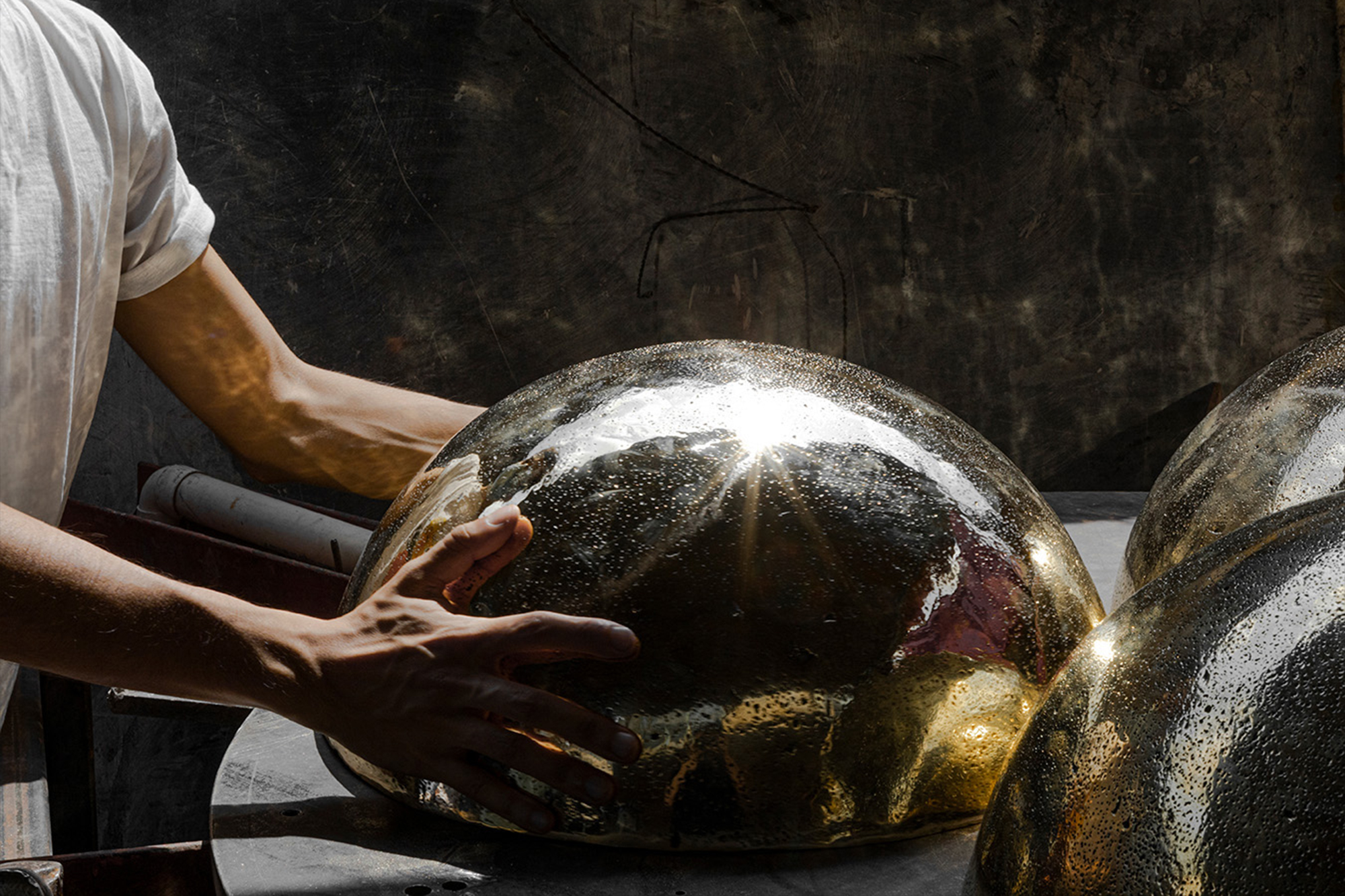
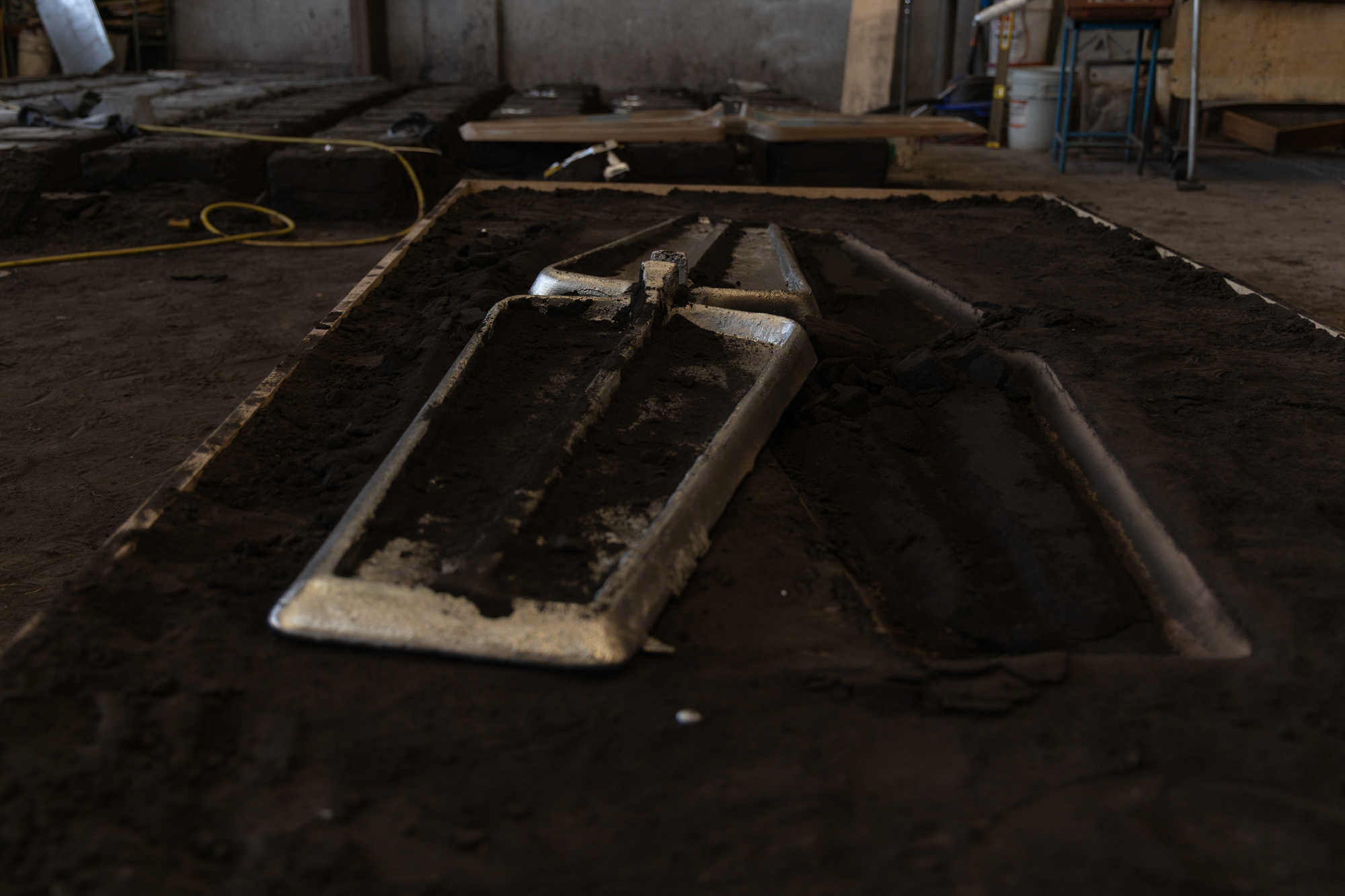
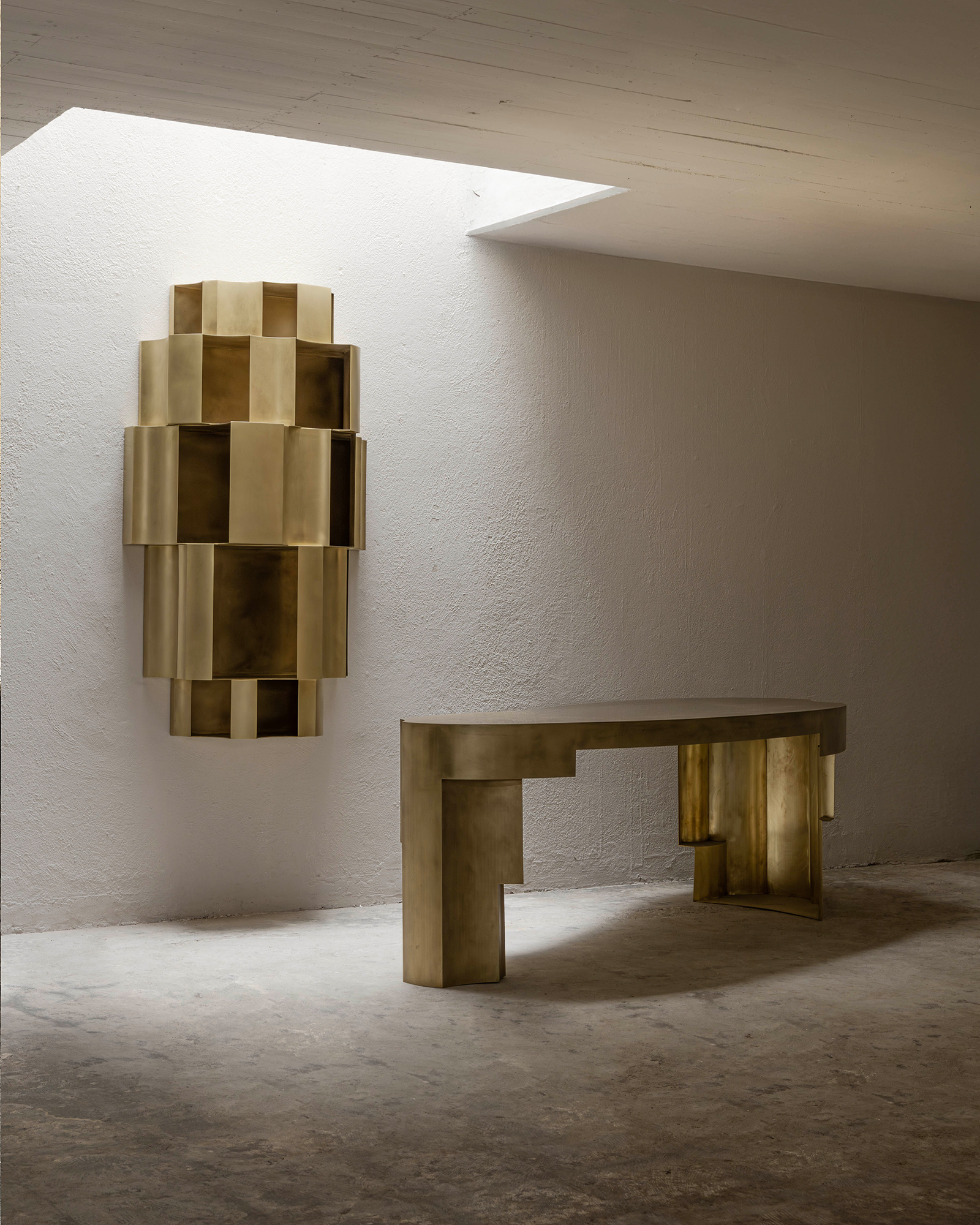
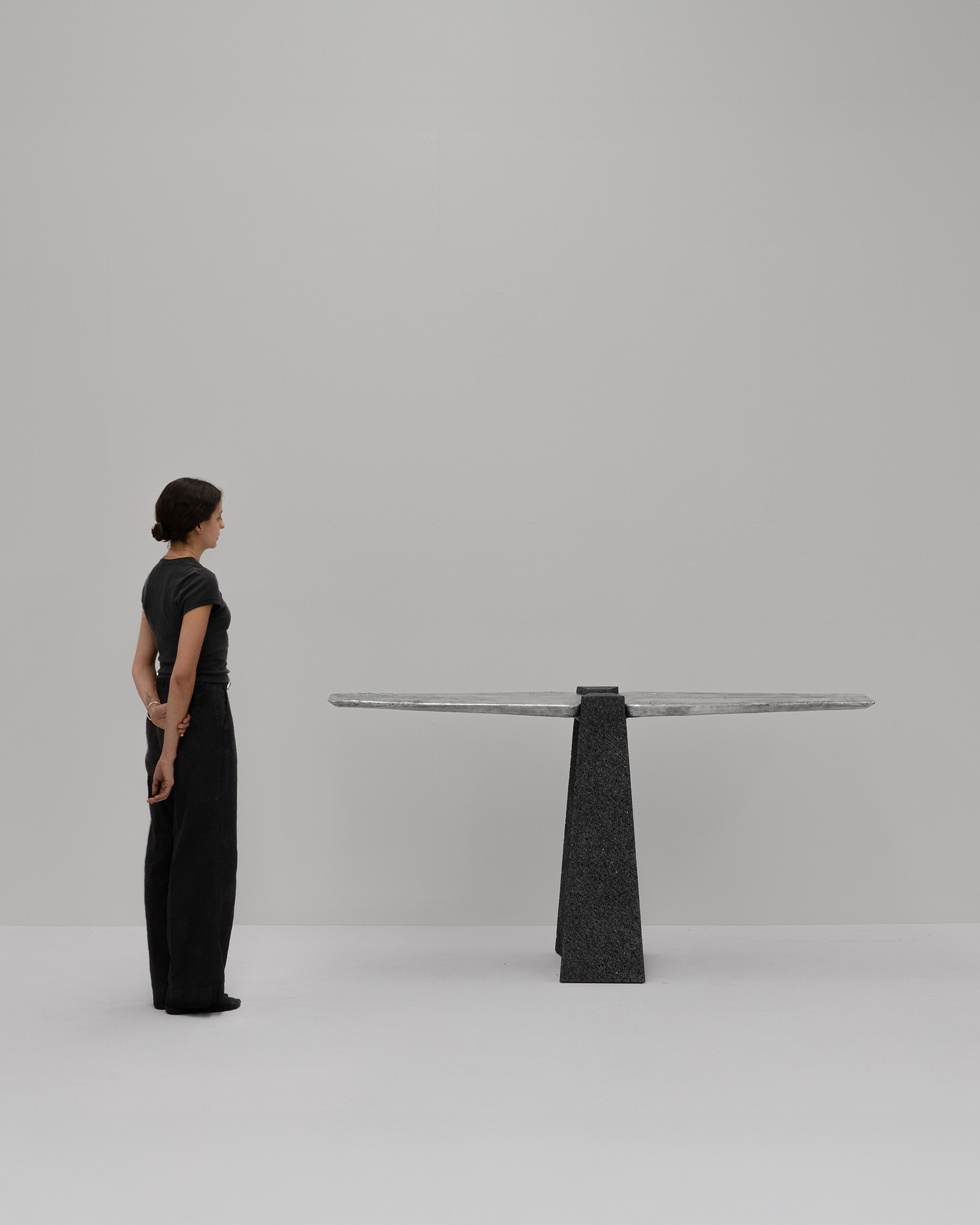
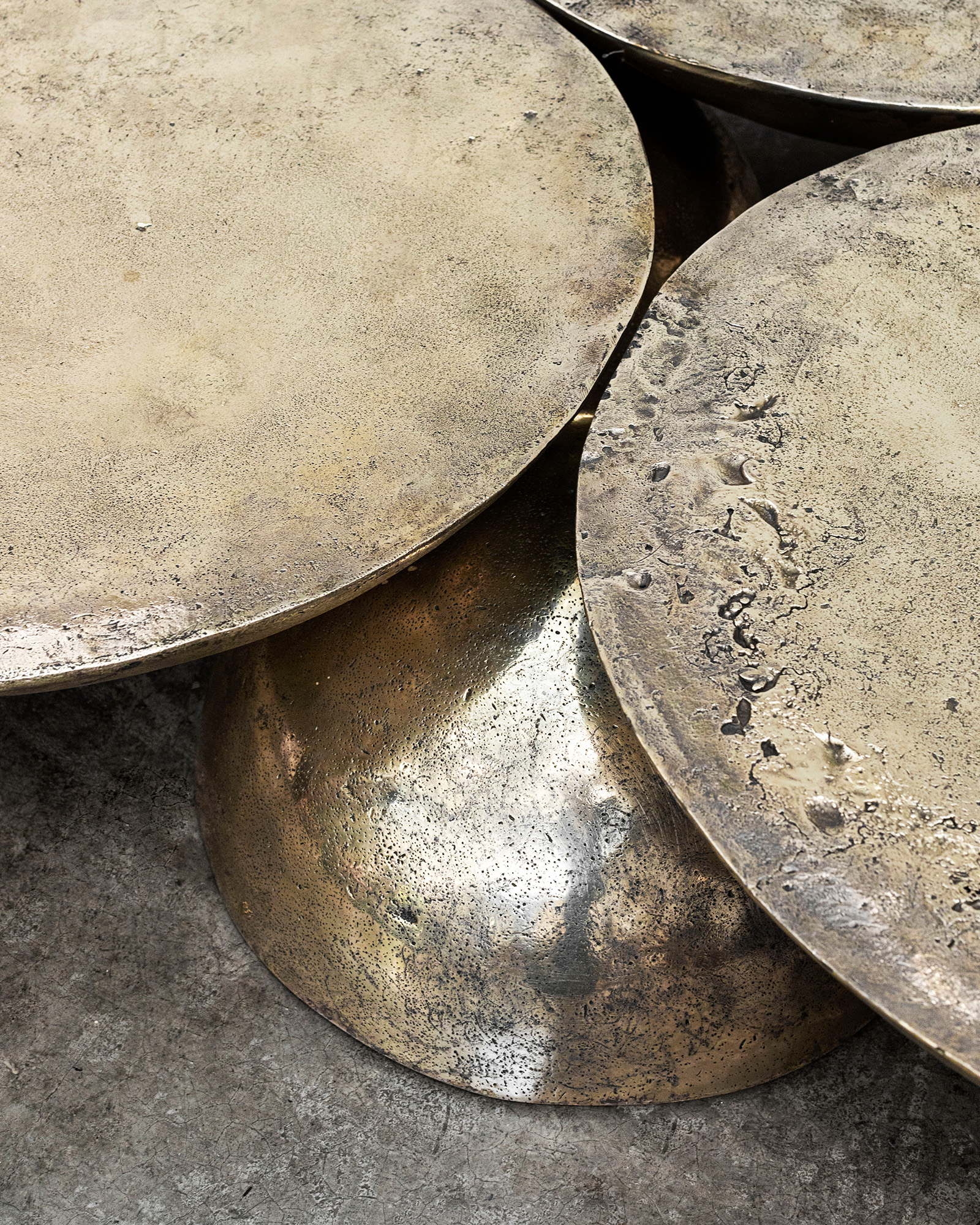
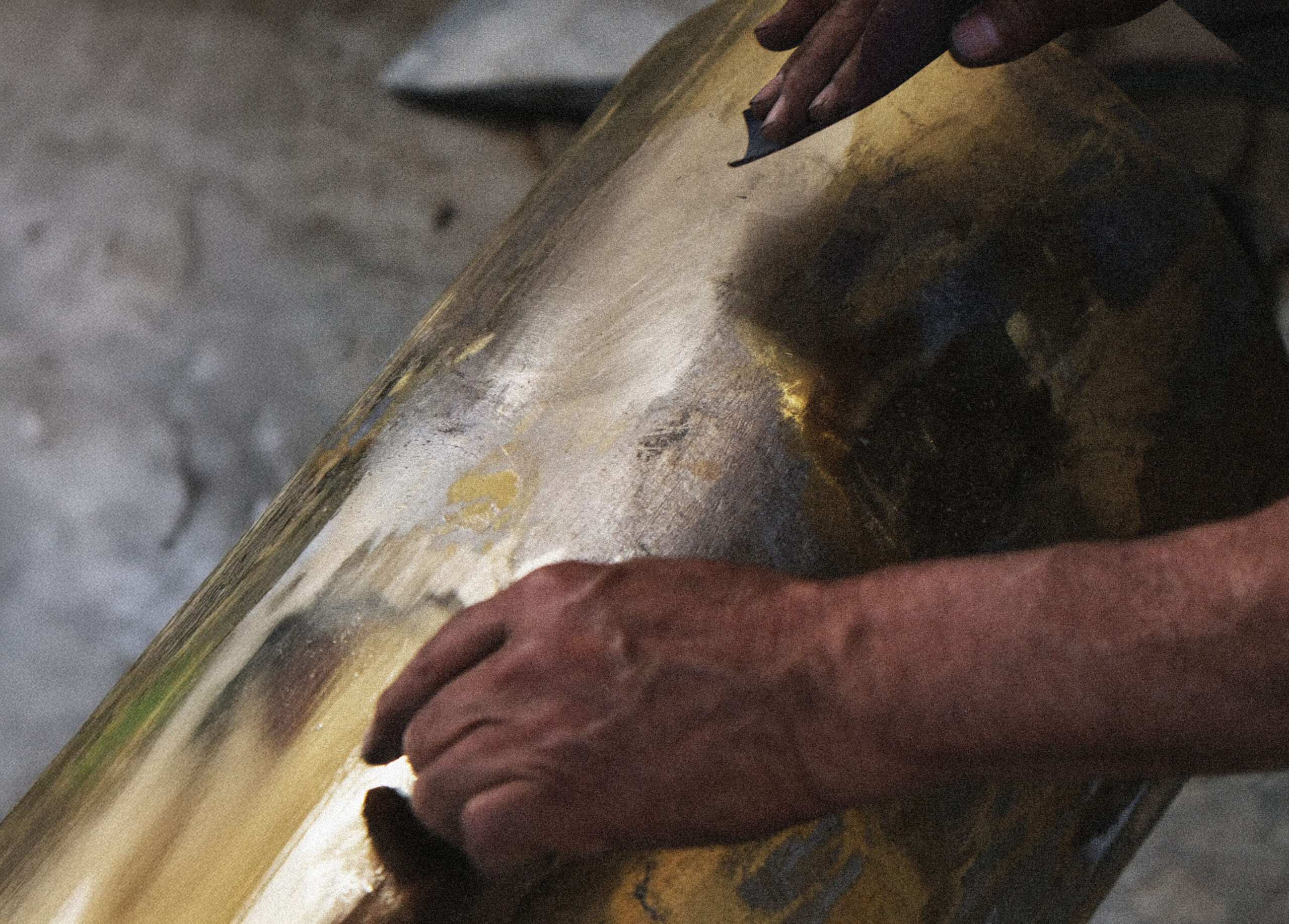
Beyond working with different types of stone sourced from across Mexico, glass in varying opacities and colors, and wood with diverse finishes, the studio also incorporates a wide range of metals, collaborating with metalsmiths and foundries and exploring processes such as sand casting, which are used in pieces like Memoria and Memoria de la Memoria Stools—as well as foundry work, such as in the Exhuma Collection, and metalwork, as in our Táas Collection.
23 April, 2026

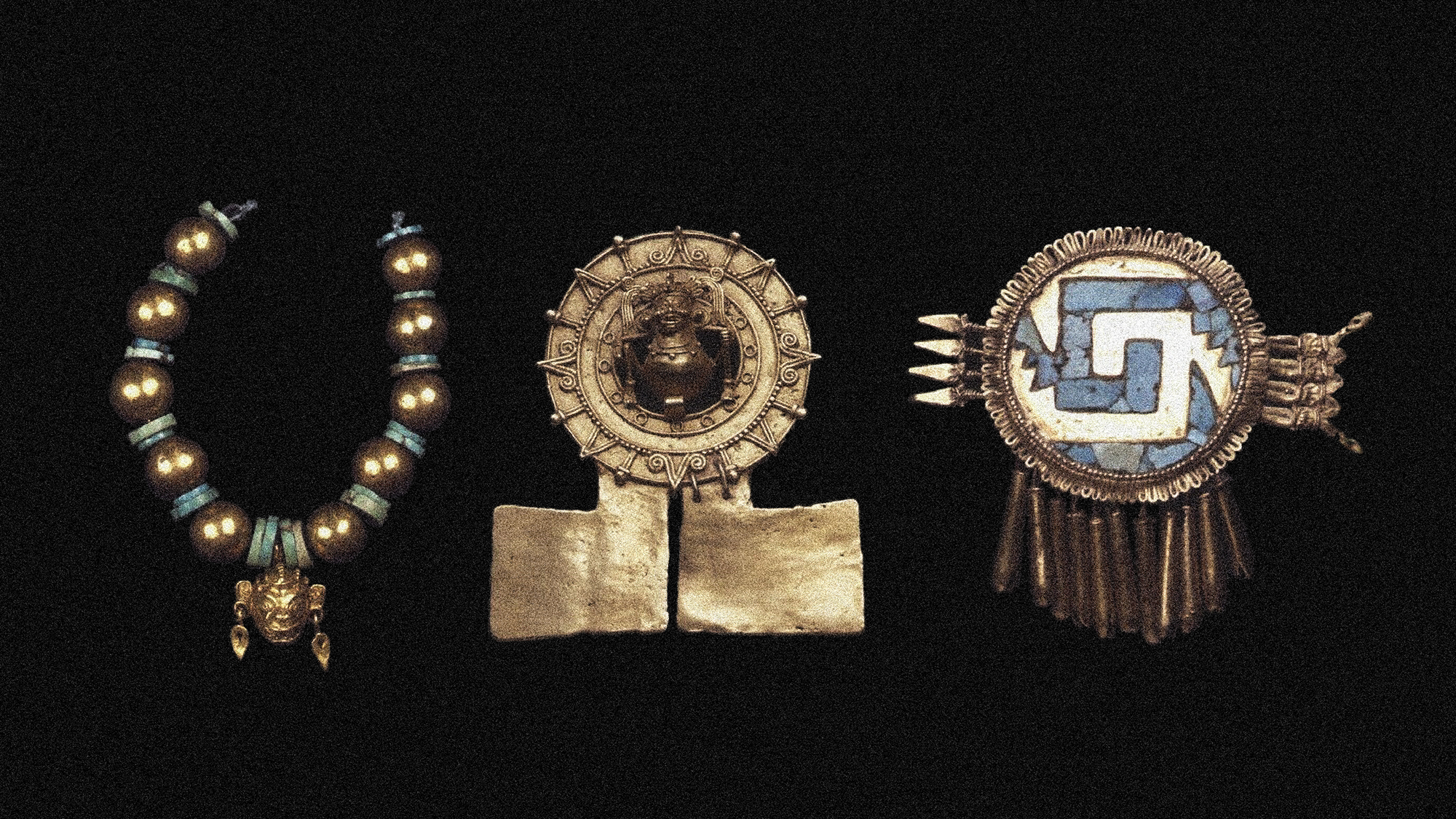
Metals hold a long-standing presence within Mexican cosmology, having been associated with celestial bodies since pre-Columbian times across various Mesoamerican cultures—symbolizing the sun through gold and the moon through silver. These materials were primarily used as ornamental elements in ceremonial contexts, rather than for utilitarian purposes.

From left to right — Gold and turquoise necklace. The central ornament depicts a monkey; Gold pectoral. At the center of a solar disk with representations of awls and rays, a deity with a prominent belly and slender arms and legs is depicted, adorned with bracelets and anklets; Chimalli of Yanhuitlán. In its manufacture, the ancient Mixtecs used hammering, filigree, and lost-wax techniques. Museo Nacional de Antropología.

Today, metals remain an essential part of the country’s cultural landscape, with a wide diversity of crafts and techniques shaped by the geographic availability of materials—such as copper in Michoacán, tinwork in Oaxaca, and silver in Guerrero.

At EWE, we not only seek to preserve the symbolic legacy of metals, but also to honor the artisanal techniques that have accompanied them over time.

With love,

EWE


JOURNAL