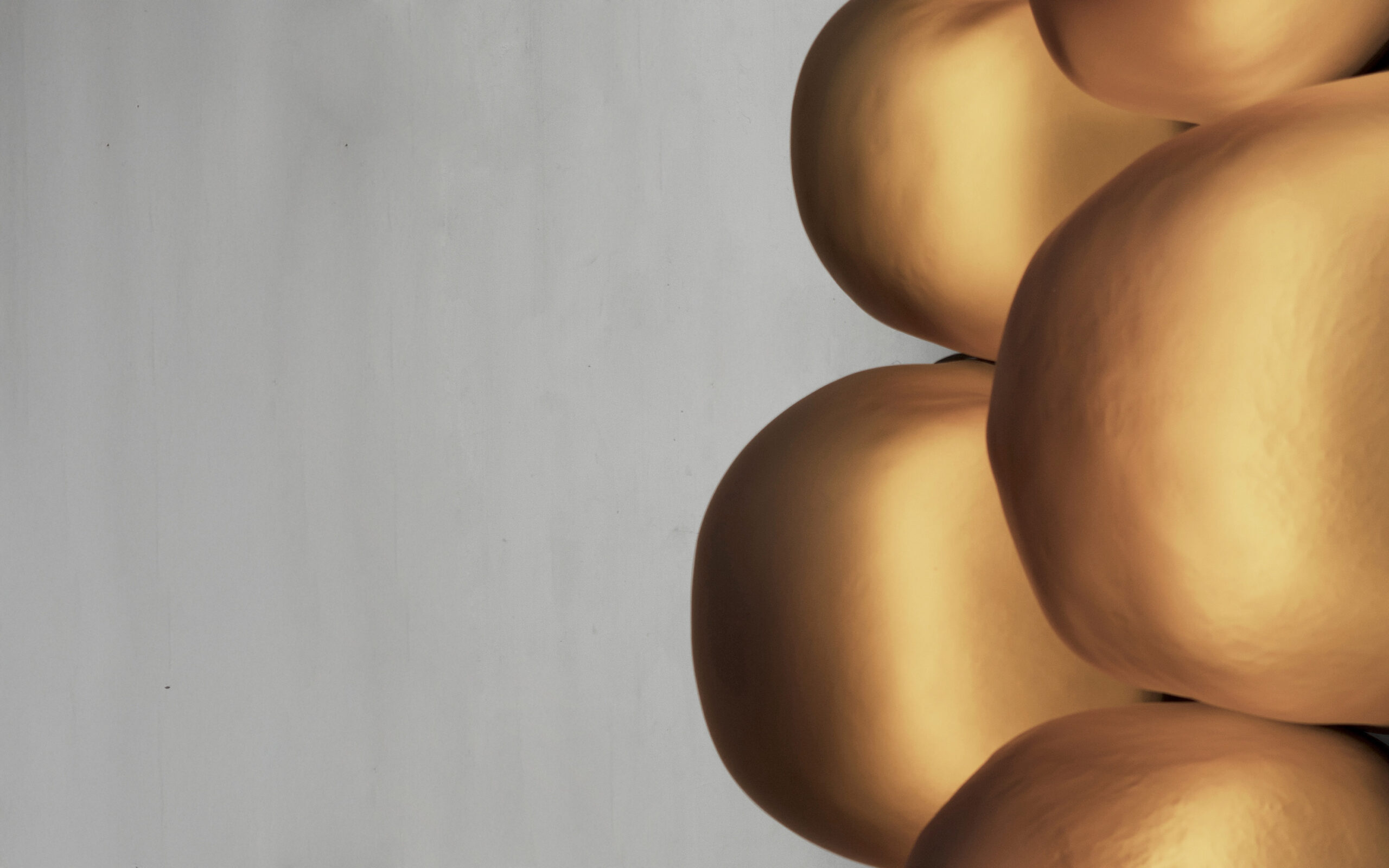
GLASS
The technology of glassmaking and its adaptations emerged in Mexico starting in the late 16th century. Artisans began to manipulate the material, resulting in high-quality pieces like those produced today by Nouvel Glass, a collaborator in our blown glass production.
There are many variants to explore with this raw material: thicknesses, shapes, textures, colors, and finishes. At EWE Studio, we are interested in experimenting with different processes to discover the new limits to which glass can be pushed.
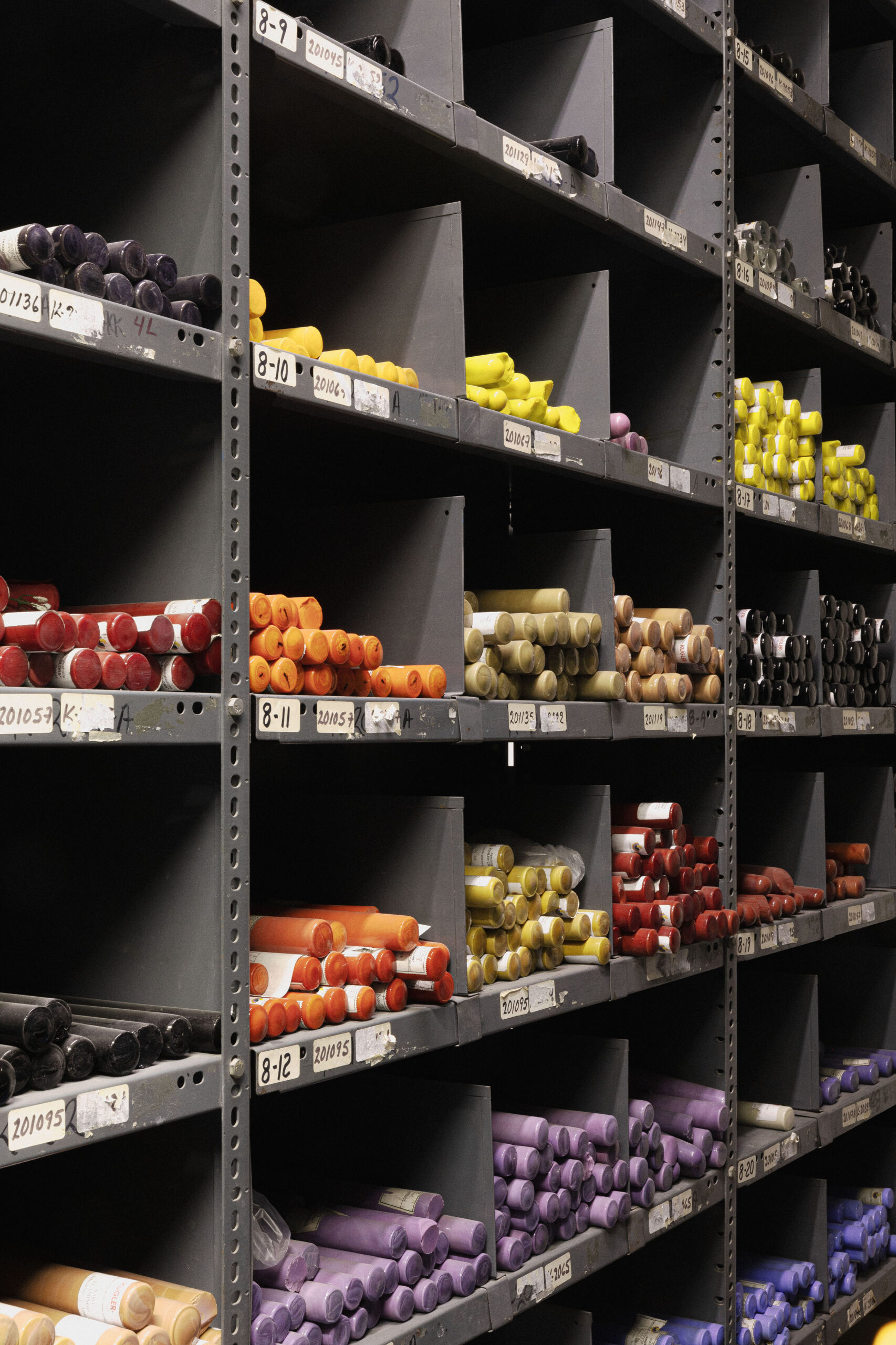

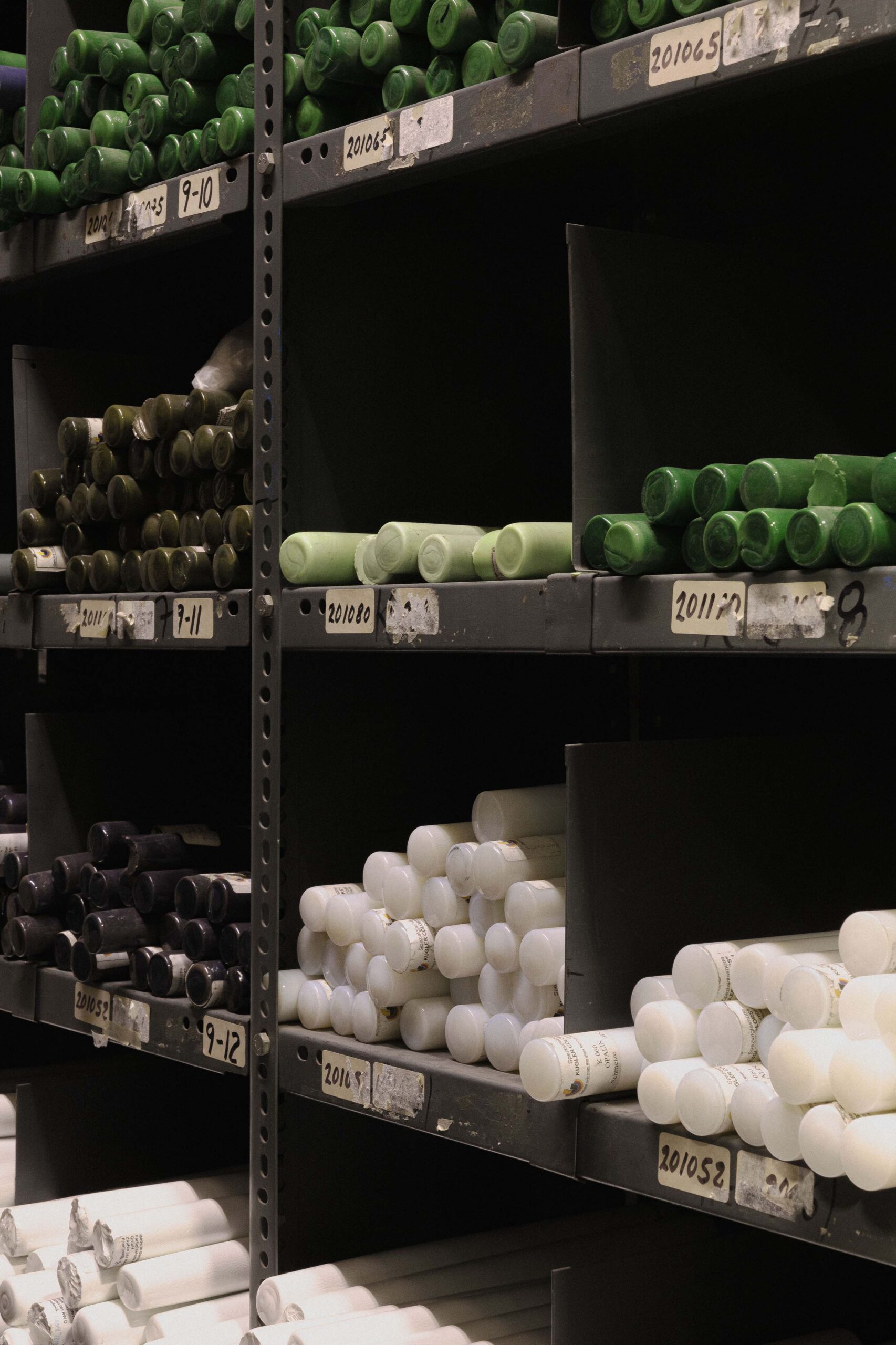
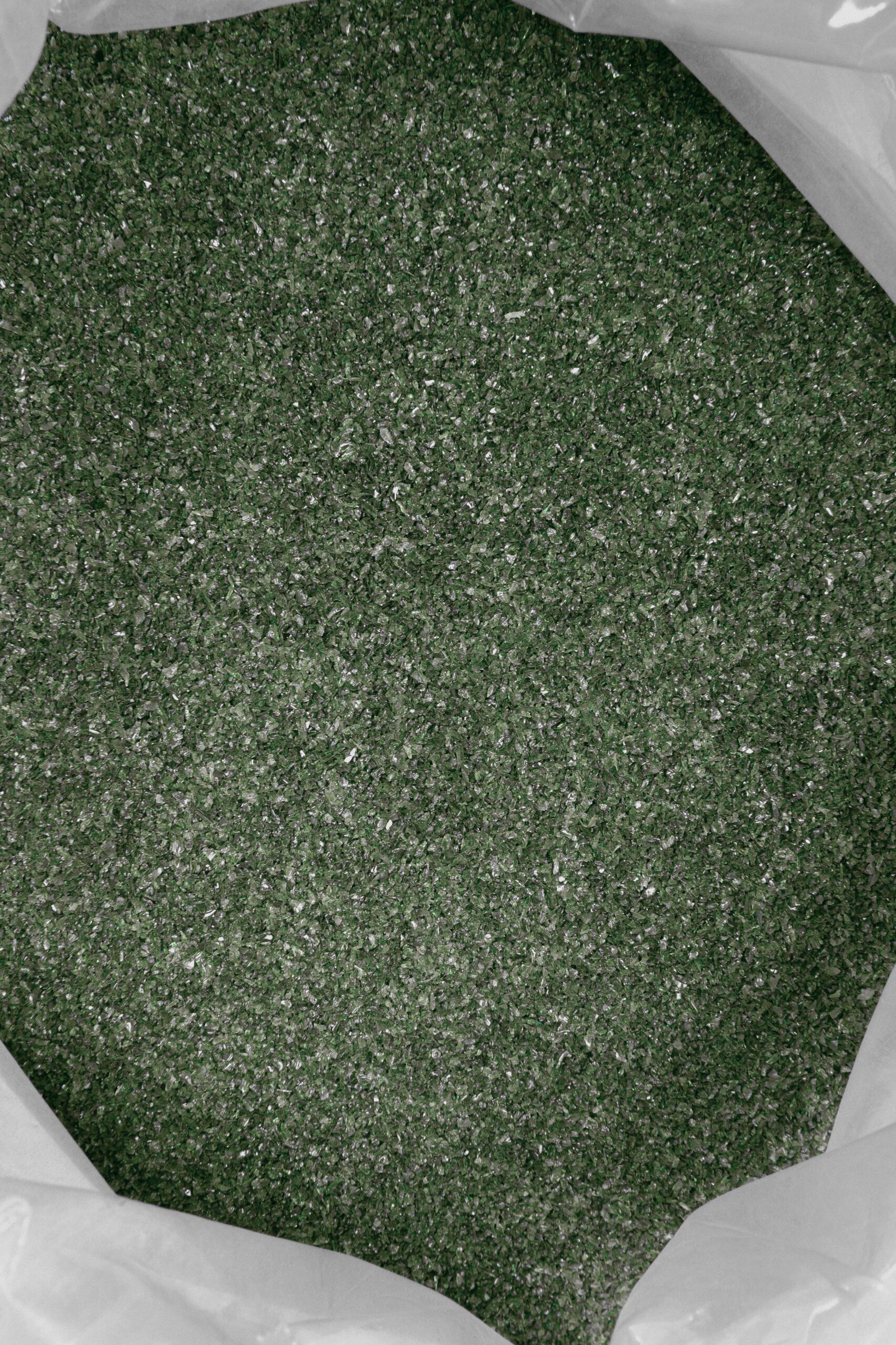
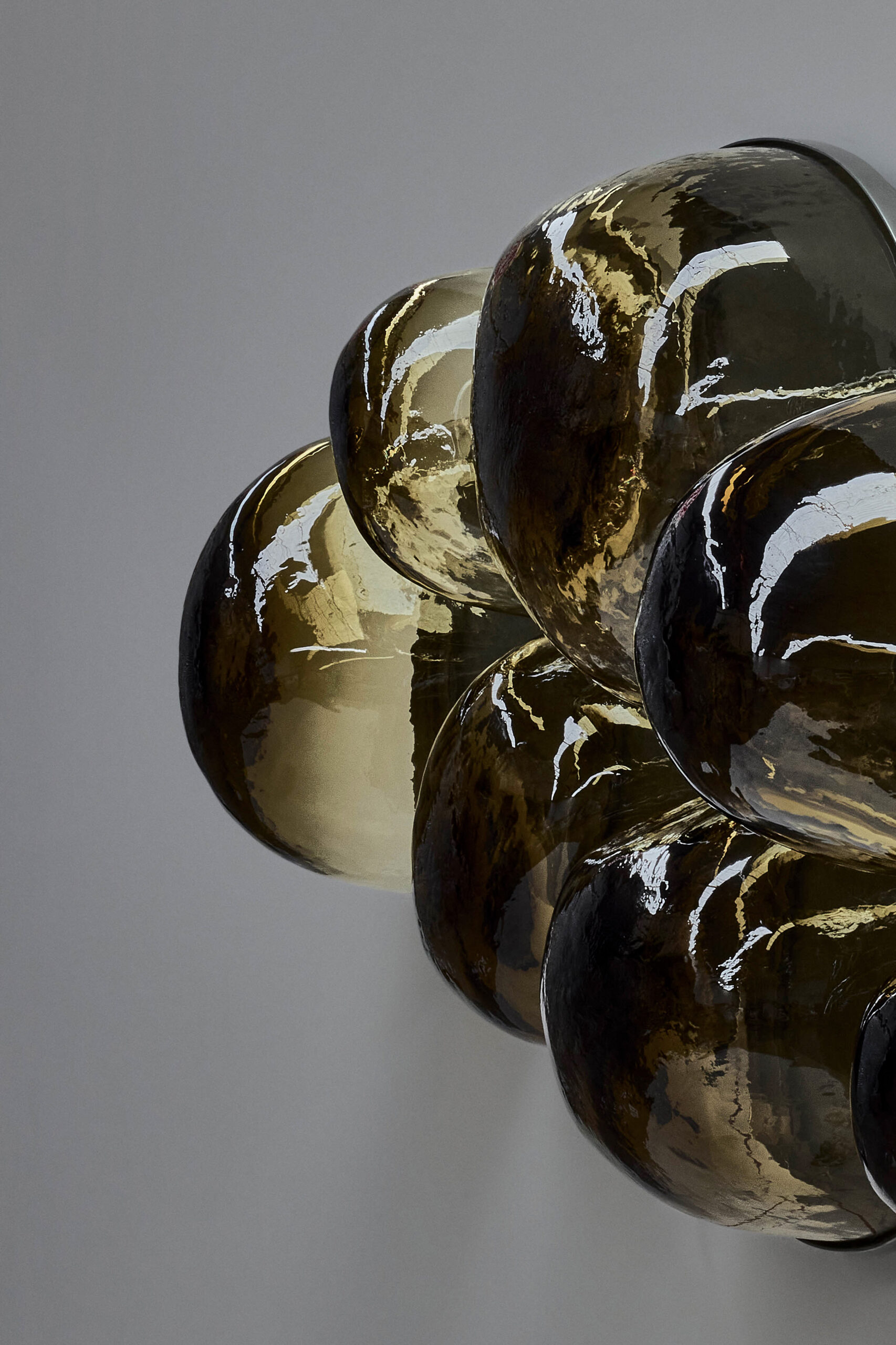
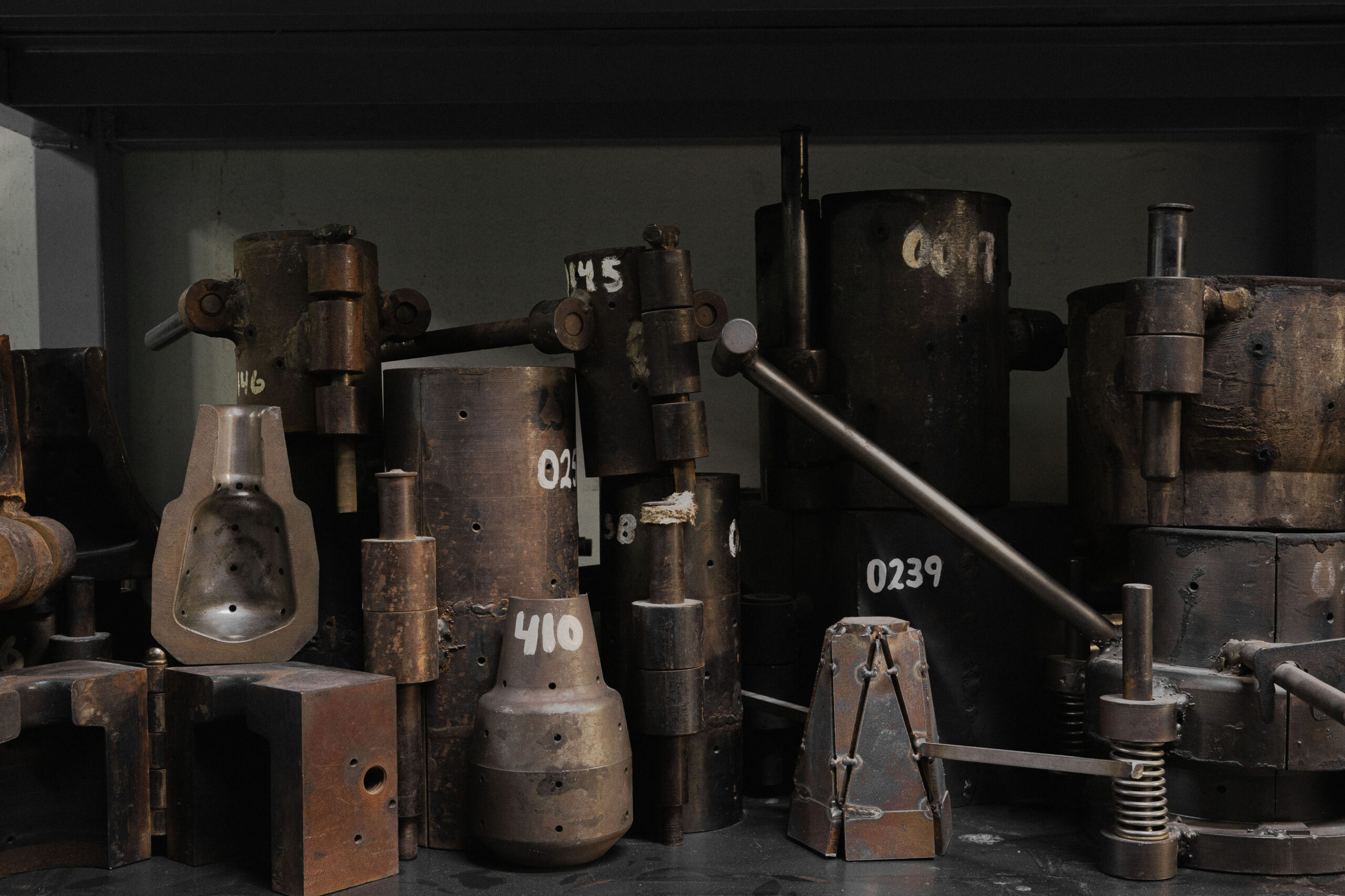
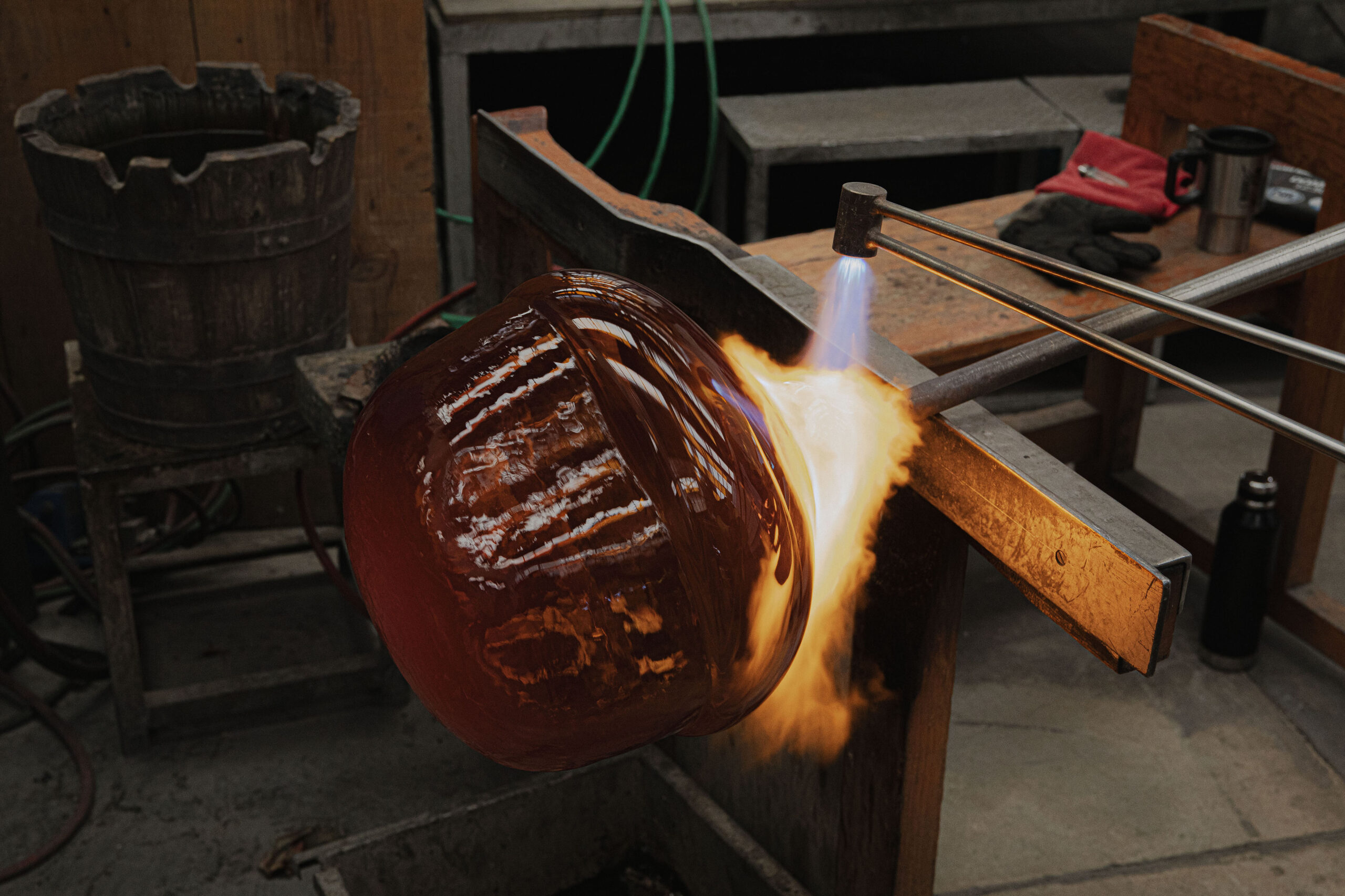
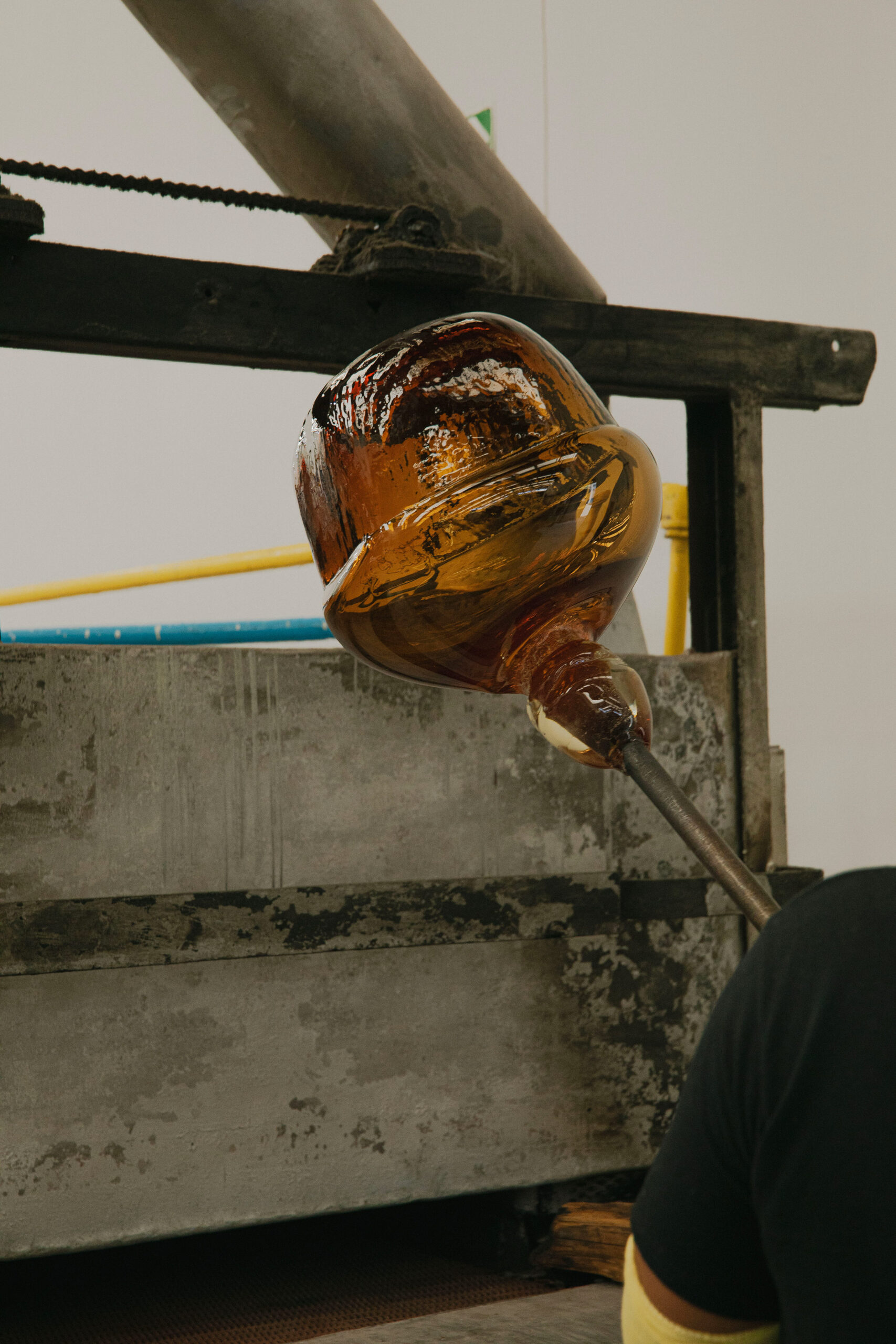
Glass needs to be melted at over 1600 °C and then hand-blown into molds made of steel or volcanic stone, materials that can withstand such temperatures. This results in glass pieces that replicate the shapes and textures of other materials.

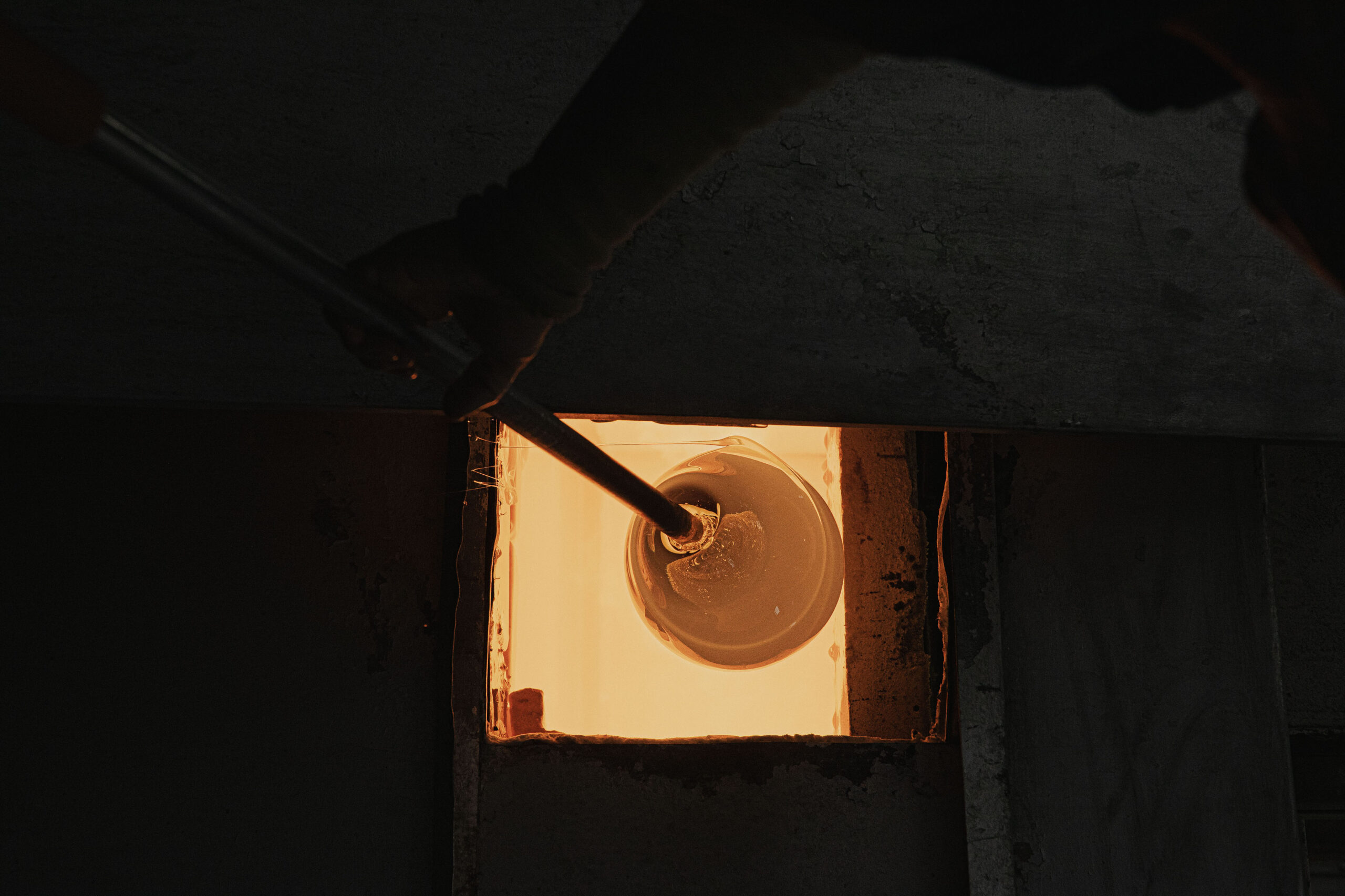
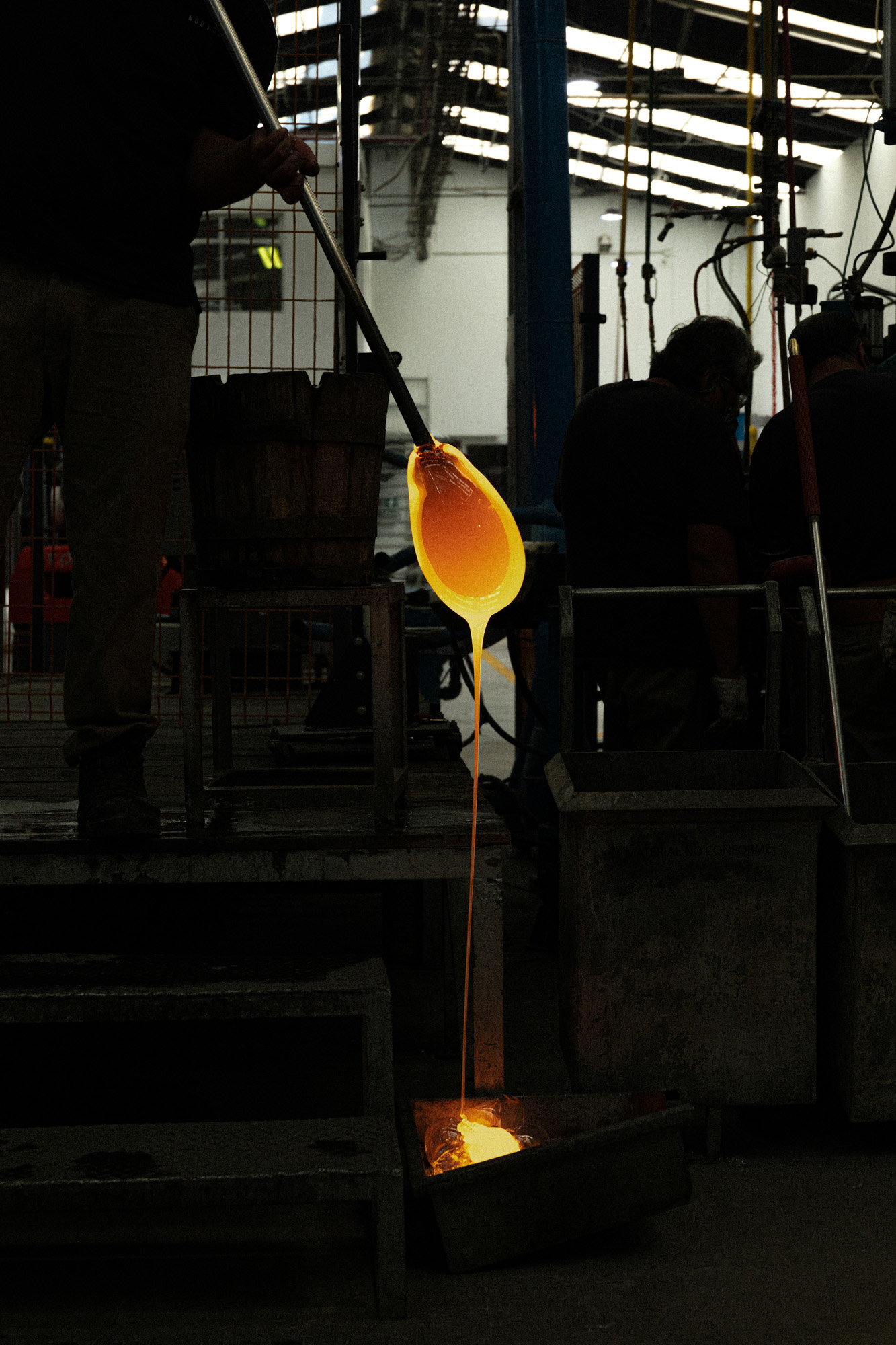
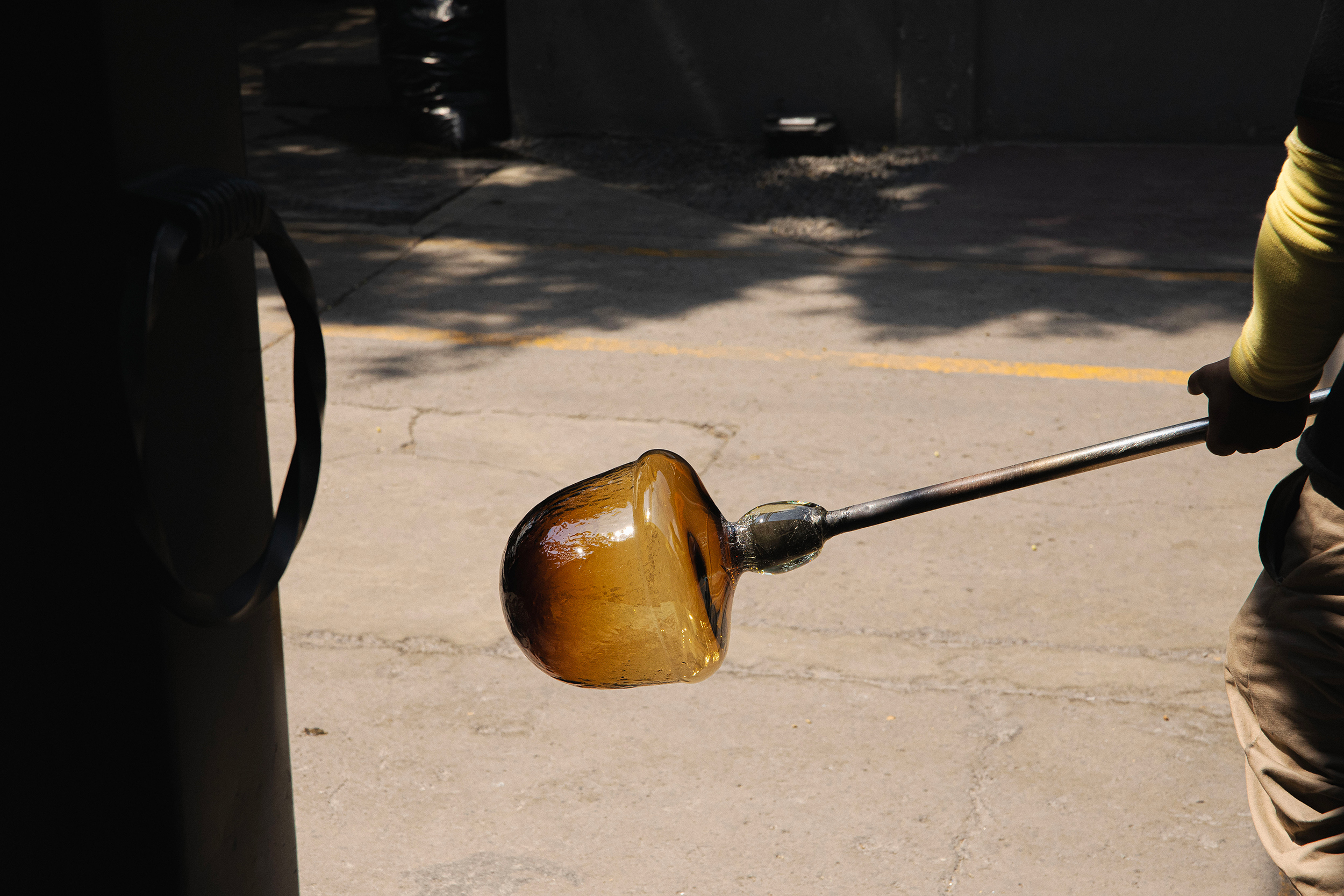
The origins of glassblowing in Mexico are tied to the arrival of the Spanish and with it new materials and techniques, when glassmaking processes were gradually applied in the first glass factory in Mexico, established in the late 1500s in Puebla. Over time, Mexican artisans continued to adapt and transform the material, incorporating local traditions and motifs into their designs. By the 19th century, the practice of glassblowing had evolved into a syncretic dialogue of techniques and symbolisms.
Through both tradition and innovation, glassmaking continues to shape new designs while honoring its historic craft. This technic always inspires us to explore the material in new ways.